


I believe that a habit that we all should start to gain is to know how to read food labels, especially for those that we consume daily. Obviously, it does not apply so rigidly to products to be consumed sporadically, such as chocolate, a cake, french fries, etc. This content was created with the help of nutritionist Rita Lopes, a great professional that I advise you all to follow.
Understanding the label of what we are going to consume daily is very important to know if it is something very or little processed, with much, little or no sugar, fat, among others, and if it has any allergen (in case you have any allergy).

This is not intended to cause any kind of deprivation in our diet, only as a guide on what are the best options to consume more regularly, because there are products that we include in our diet thinking they are indeed healthy by the name that appears on the packaging, but in terms of ingredients it is not so interesting, and there are better options on the market at that level and even in terms of flavor.
There are no good or bad foods, there are foods richer at a nutritional level than others, just that. We're not going to label foods that way.
The packaging
It happens a lot that we go by the packaging only without even looking at the ingredients or nutritional table. When it says "Light", "Full grain", "Diet", "Digestive" among other magic words that influence us to buy without even questioning what the product contains. When a product says it is Light it means it has at least 30% less fat or sugar than the original product, this is mandatory. An example is cheese, Limiano Light cheese has at least a 30% reduction in fat compared to the original Limiano cheese.
Often toast, bread or cookies say "Whole grain" leading a person to buy without seeing the ingredients. Unfortunately, in many cases the whole grain ingredient appears near the end of the ingredient list and sugar or palm fat appears near the beginning.

Ingredient List
The ingredient list appears in order of the quantity of each product. Therefore, products that are consumed very regularly should avoid products that have SUGAR, VEGETABLE FAT and SALT in the first ingredients. In addition, it must be noted that sugar sometimes comes "disguised" with other names that we may not know, for example, corn syrup, starch syrup, dextrose, glucose, sucrose, maltodextrin, among others. And finally, something to take into account are vegetable fats, such as palm fat, rapeseed fat among others.
For your daily diet, give preference to food products as little processed as possible, the fewer ingredients they have in their composition the better. Opt for bread, toast, cereals with fewer ingredients and, if possible, foods in their most natural form.
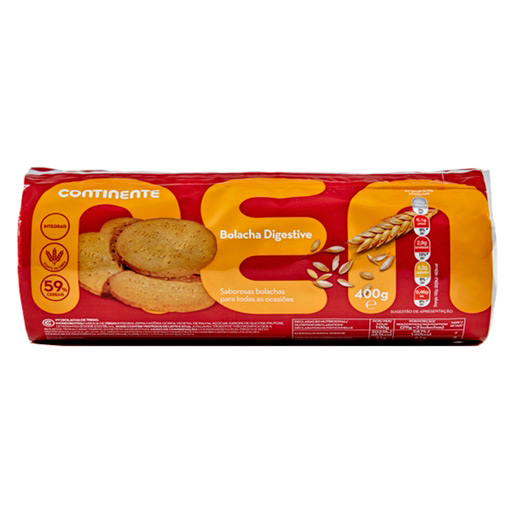
Below is an example of a product that has whole grain on the packaging but unfortunately the ingredient list is not so pleasant. There are better options on the market and I leave an example below these images.
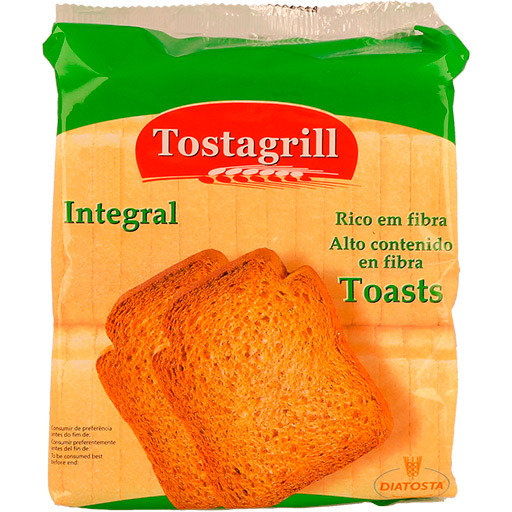
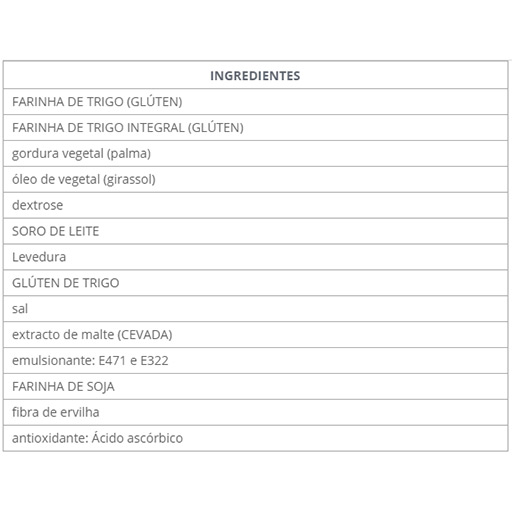
We must also be aware of allergens in case you have any kind of intolerance or allergy. Usually these ingredients appear in bold. And finally, still in the ingredient list, it is important to highlight that there is no need to completely loathe preservatives, the famous Es, these products are tested and serve for foods to stay on the shelf longer. Choose the more natural product, but there is no need to run away from a simple food just because it has a preservative.
Nutritional Table
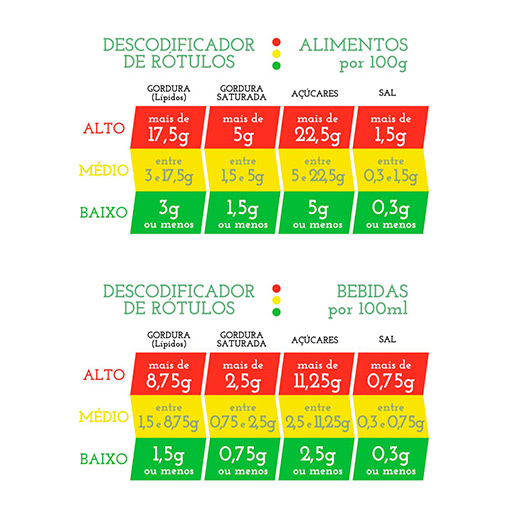
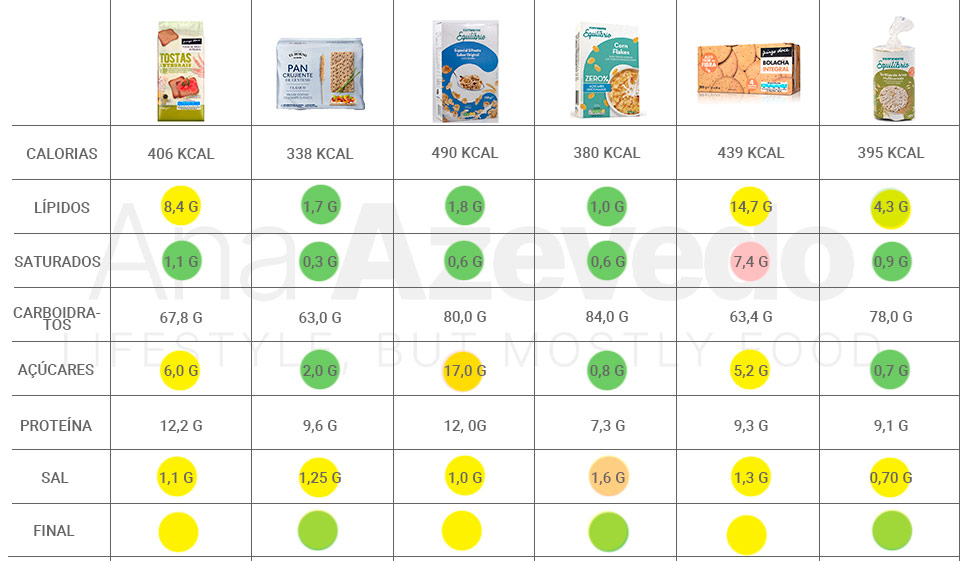
There is a label decoder that helps you guide you when we are doing our shopping, it's called a nutritional traffic light. Just have this image when you go shopping and analyze the nutritional table of the products. All have nutritional information per 100 grams.
In fact, something I see that is rare to remain green is the amount of salt, even in less processed products. Another important thing to note is that this is not applicable to all foods, since, for example, with peanuts or peanut butter, the amount of fat will have an absurdly high value, since it is a SOURCE OF FAT because that has to be taken into account in some food products.
I also made a table where it is possible to see some comparisons of similar food products in relation to their nutritional table. It is possible to observe that often the packaging says whole grain but still its nutritional table is not the most interesting.
Conclusions
Analyzing product labels doesn't have to be complicated, I personally ended up gaining the habit and simply love analyzing products when I'm shopping. But once again I want to highlight that this is not intended to make you deprive yourself of certain foods, it serves merely for you to learn to read what you consume and make more conscious choices in your daily diet.
You can also see this subject in video if you prefer and you can also read about this subject on Nutritionist Rita Lopes' website.


